Closed-cell foam insulation
Dense spray foam creates the highest R-value barrier available, making it the most effective single upgrade for basement walls in Imperial's extreme heat.
Learn More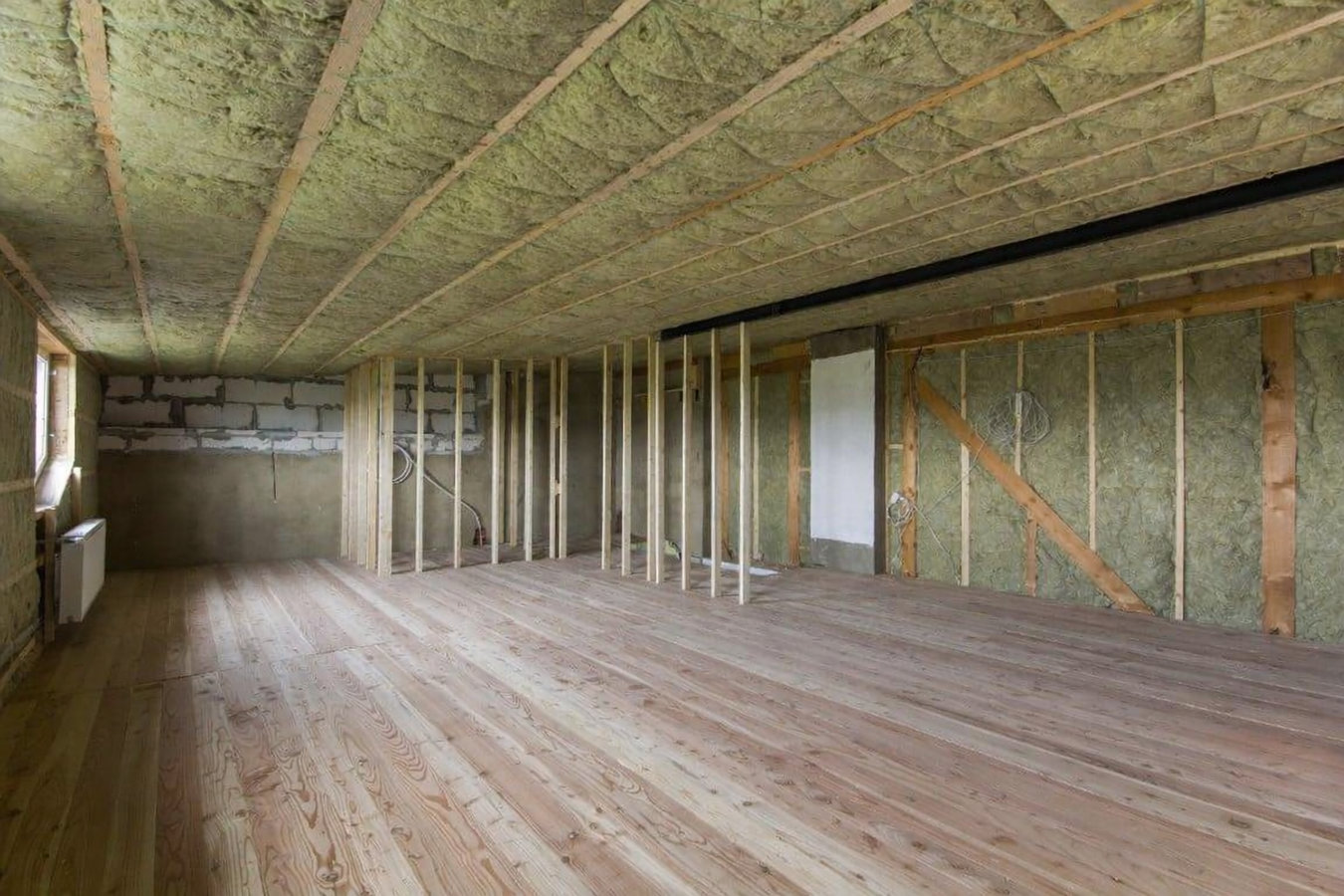
An uninsulated basement lets Imperial's brutal summer heat push straight up into your living space. We insulate basement walls and ceilings to cut your cooling costs, meet California energy standards, and keep your home comfortable all season.
Basement insulation in Imperial slows heat from moving through your basement walls and floor into the living areas above - most residential jobs are completed in one to two days, with no major disruption to your daily routine.
In Imperial's extreme desert climate, where summer temperatures regularly top 110 degrees, your basement is more than storage space - it is a direct pathway for heat to enter your home from below. An uninsulated basement acts like a heat sink all day long, forcing your air conditioner to work harder and run longer just to reach the temperature you set. The good news is that adding insulation to basement walls or the ceiling above is one of the most straightforward upgrades a homeowner can make. A full job often includes closed-cell foam insulation on walls for maximum heat resistance in this climate zone, paired with air sealing to close gaps around pipes and penetrations where conditioned air escapes.
California's energy standards set a minimum performance floor for permitted insulation work, and a good contractor will ensure your job meets those requirements for your climate zone - which means the investment holds up when you refinance or sell.
If your air conditioner runs constantly during Imperial's summer months but rooms above the basement still feel stuffy or warm, heat is likely moving up from below. In a climate where outdoor temperatures can hit 115 degrees, an uninsulated basement acts as a heat reservoir that fights your cooling system all day long.
Imperial Valley residents typically see their highest electricity bills from June through September. If your bills seem unusually high compared to neighbors in similar-sized homes, poor basement insulation is one of the first places to look - heat entering from below forces your AC to work harder and longer than it should.
Stand barefoot on the floor above your basement on a hot afternoon. If the floor feels noticeably warm to the touch, heat is conducting upward through an uninsulated or under-insulated basement ceiling. This is one of the clearest signs that insulation would make a real difference in your daily comfort.
A musty smell or visible moisture on basement walls can mean water is finding its way in. If that is happening in an uninsulated space, adding insulation without addressing the moisture first will make things worse. This is a signal to get a professional assessment before any insulation work begins.
We insulate both basement walls - the concrete or block perimeter surfaces - and the ceiling of the basement, which is the underside of the floor above. Which approach works best depends on whether your basement is conditioned space or just an unconditioned utility area. We look at your specific setup during the on-site assessment and recommend what will actually perform in Imperial's climate. In most cases, wall insulation using closed-cell foam provides the best resistance to extreme desert heat, while ceiling insulation using batts or blown-in material suits unconditioned basements where the goal is simply to separate the two zones.
Air sealing always goes hand in hand with insulation - gaps around pipes, electrical penetrations, and the rim joist area let hot air bypass even good insulation. Every job includes a written estimate before work begins, and we handle any permits required by the City of Imperial's Building Division. We work in Imperial and throughout the Imperial Valley, so we know what the conditions here actually demand.
Spray foam or rigid board applied to the concrete perimeter walls - best for conditioned basements and homes in Climate Zone 15 where heat resistance is the primary goal.
Batt or blown-in insulation installed against the underside of the floor above - suited to unconditioned utility basements where the goal is to separate zones.
Sealing around pipes, wiring, and the rim joist before insulation goes in - often the step that produces the biggest improvement in comfort and energy use.
A pre-installation check for any signs of water intrusion or dampness - required before any insulation goes in to avoid trapping moisture inside the walls.
Safe removal and disposal of degraded or contaminated material before new insulation is installed - applies to homes with old batt insulation that has settled or been damaged.
Free on-site evaluation for homeowners who are unsure what is currently in their basement - we report on the current condition and recommend the right scope of work.
Imperial sits in one of the hottest regions in the United States, and that heat does not just hit from above - it also pushes in from the ground and through basement walls all summer long. Many homes in Imperial and throughout the broader Imperial Valley were built in the mid-20th century, before modern insulation standards existed. Those homes often have little or no basement insulation, which means the basement is actively contributing to high cooling bills every summer. California's Title 24 energy standards apply to any permitted renovation work, and a qualified contractor will ensure your project meets those requirements - which protects your investment and helps when you sell or refinance. Homeowners in El Centro and Brawley face the same conditions, and we serve both areas regularly. For homeowners who also have uninsulated or poorly sealed crawl spaces, crawl space insulation is the companion project that addresses heat coming in from below.
The Imperial Irrigation District, which serves most local homeowners, has offered energy efficiency rebate programs for qualifying improvements. It is worth checking with IID before your project begins, because some programs require pre-approval - meaning you have to apply before the work starts, not after. The combination of lower cooling bills and a potential rebate from IID can meaningfully reduce the total cost of getting this done. Beyond the money, an insulated basement simply makes your home more comfortable during the long Imperial summer - and that is something you will notice every day.
We respond to all inquiries within one business day. When you reach out, we will ask a few basic questions - the size of your basement, whether it is finished or unfinished, and whether you have noticed any moisture or comfort issues. You do not need technical knowledge; just describe what you are experiencing.
We visit your home to walk the basement, check existing insulation, look for moisture or air leaks, and measure the space. This usually takes 30 to 60 minutes. You get a written estimate before any work is scheduled - no surprise charges.
We verify whether a permit is required with the City of Imperial's Building Division. If one is needed, we handle the application. Once permits are in order, we schedule the installation date that works for you.
Most jobs are completed in one to two days. We seal air gaps first, then install the insulation. Before we leave, we walk you through the completed work and explain what was done. The space is left clean, with no loose material or debris.
Free estimate, no obligation. We respond within one business day.
(760) 483-7473Every job we do meets Title 24 requirements for Imperial's climate zone, and we handle permit coordination when your project calls for it. The work is documented and on record, which matters when you sell or pull future permits.
We assess for moisture before insulation goes in, every time - not after. In the Imperial Valley, subsurface moisture from the surrounding irrigated farmland can affect basements in ways that are not always obvious. Trapping moisture behind insulation creates mold and structural damage; we eliminate that risk before work begins.
We give every homeowner a written estimate after an on-site assessment - not a ballpark number over the phone. That estimate covers materials, labor, and any permit fees, so you know exactly what you are paying before anyone picks up a tool. No surprise charges.
We work throughout Imperial and the surrounding Imperial Valley, so we understand what 110-degree summers actually do to insulation and how to spec a job for this climate. An out-of-area contractor may follow general guidelines; we follow what works here.
Doing this work right matters more in Imperial than in most places - the heat here is relentless, and a basement that is properly insulated and sealed will outperform one where corners were cut within a single cooling season. We stand behind every job with a walkthrough before we leave and documentation of everything we installed.
Dense spray foam creates the highest R-value barrier available, making it the most effective single upgrade for basement walls in Imperial's extreme heat.
Learn MoreIf your home has a crawl space instead of a full basement, targeted insulation and vapor barrier work below your floors addresses the same heat and moisture problems.
Learn MoreImperial summers don't wait - lock in your installation date now and start the cooling season with a home that actually stays comfortable.