Spray foam insulation
Two-in-one air sealing and insulation in one application - ideal for rim joists, band boards, and irregular cavities where blown-in material does not seal as tightly.
Learn More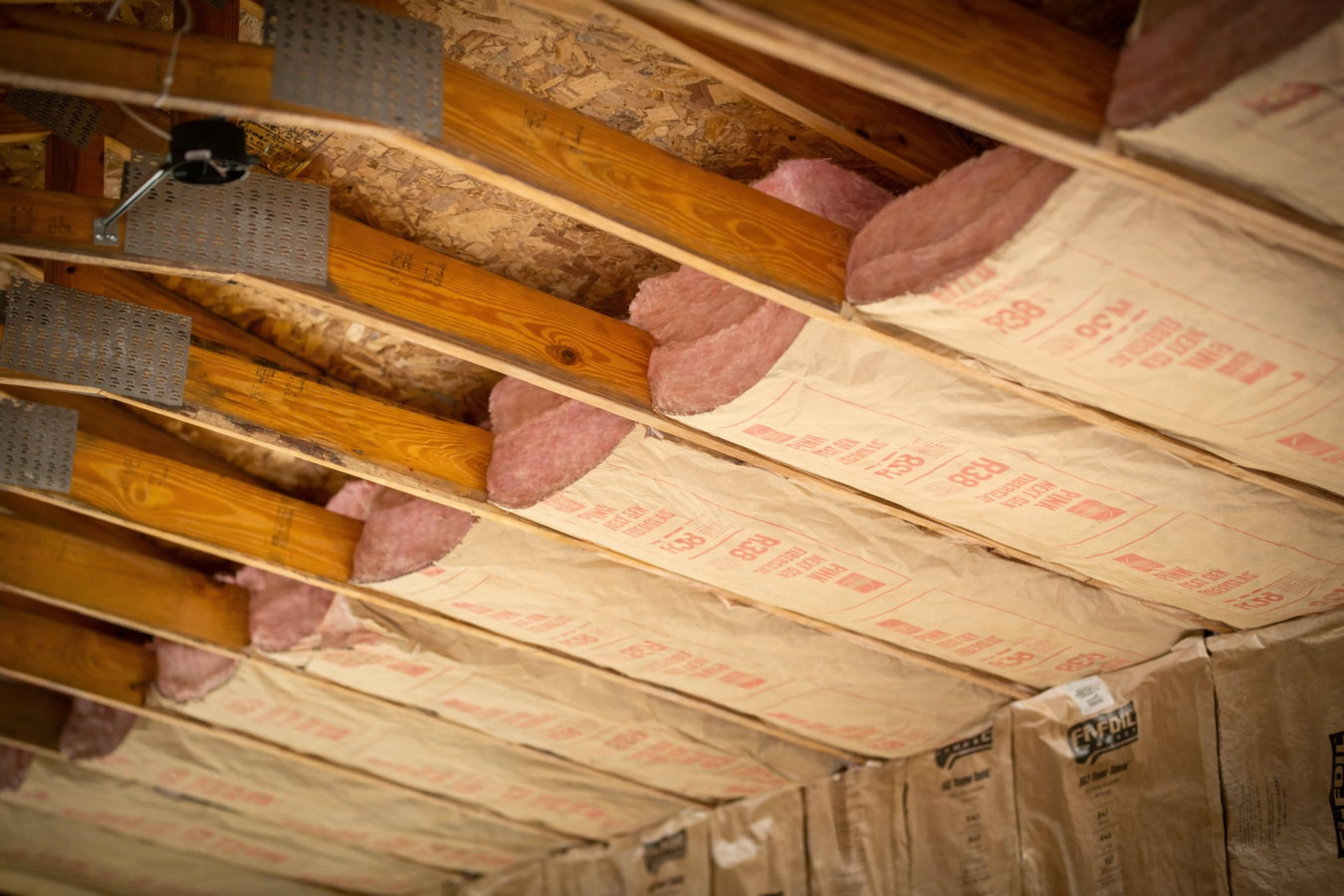
Your existing home can perform like it was built to a higher standard. Retrofit insulation adds real protection against Imperial's extreme heat - no demolition required, and usually finished in a day or two.
Retrofit insulation in Imperial, CA means adding new insulation to a home that is already built - blowing or injecting material into existing attics and wall cavities through small access points that are patched when the job is done - with most projects completed in one to two days and no need to vacate the home.
A significant portion of Imperial's housing was built in the 1960s through 1980s, when insulation standards were a fraction of what California requires today. If your home was built before 1990 and you have never had insulation work done, there is a good chance your attic and walls are losing a substantial amount of your cooling energy every day from June through September. Retrofit insulation in Imperial does not require opening up walls or reroofing - it uses specialized blowing equipment to fill existing cavities from the outside, leaving your home largely undisturbed.
Retrofit insulation is most effective when air sealing is done first. Pairing the installation with spray foam insulation at key penetrations before blown-in material is added gives you a complete thermal barrier rather than insulation laid over gaps. Homeowners who want a whole-home upgrade also frequently combine retrofit work with home insulation services that address all zones of the house in a coordinated plan.
If your air conditioner runs for long stretches without the house reaching a comfortable temperature - especially rooms on the top floor or with south-facing walls - heat is getting through your ceiling or walls faster than your system can remove it. In Imperial's summer heat, this is one of the most common signs that an attic has almost no insulation.
Imperial Irrigation District customers who see their bills spike dramatically between May and September are often dealing with an under-insulated home. If your neighbors in similar-sized houses pay noticeably less, or if your bills have gotten worse as the home has aged, insulation loss or absence is one of the first things worth investigating.
Fine desert dust getting into your home despite closed windows is a sign that air is moving through gaps in your walls, attic, or floor - the same gaps that let heat in. This is especially common in older Imperial homes where the original construction left unsealed penetrations around pipes and wiring. Retrofit insulation paired with air sealing addresses both problems at once.
If your living room is comfortable but your bedroom is always hotter, or one side of the house is consistently harder to cool, uneven insulation is a likely cause. This pattern often shows up in homes where insulation was added to part of the house at some point but not all of it - or where settling over the years has left thin spots in certain areas.
Every retrofit project starts with an in-home assessment that measures your current insulation depth, checks for gaps and damage, and identifies the best approach for your specific home. We provide a written quote that specifies the material, the amount being installed, and the finished insulation level - not a lump-sum price. For attic work, we blow cellulose or fiberglass across the floor to an even depth that meets current California energy standards for Climate Zone 15. For walls, we drill small holes in each cavity, inject dense-pack material until the cavity is fully filled, and patch every hole cleanly so the wall can be painted over.
Homeowners who want the most complete upgrade can combine retrofit insulation with spray foam insulation at difficult areas like rim joists, band boards, or irregular cavities where blown-in material alone does not provide a tight seal. For a whole-home approach, home insulation services coordinate attic, wall, and crawl space work into a single plan - reducing labor costs and giving you a comprehensive result from a single contractor.
Blown-in cellulose or fiberglass added to existing attic floors - the highest-impact upgrade for Imperial homes because the attic is where the most heat enters during the valley's extreme summers.
Dense-pack blown-in material injected into existing wall cavities through small holes - suited to older homes with minimal or no wall insulation and homeowners who want to avoid major renovation.
Systematic sealing of all attic floor penetrations before insulation is blown in - the most effective sequence for ensuring new material performs at its rated value rather than covering unsealed gaps.
Standalone inspection for homeowners who want to know their current insulation level and what is recommended before committing to a project - includes written findings and a material recommendation.
Imperial sits in Climate Zone 15, the California Energy Commission's hottest climate designation, where summer temperatures regularly exceed 110 degrees and an under-insulated attic can reach 150 degrees or more. For Imperial Valley homeowners, the return on a retrofit insulation project is faster and more noticeable than in milder climates because the temperature difference between your attic and your living space is so extreme. Homeowners in Calexico and throughout the valley face the same conditions - a single retrofit project can change how a home performs through months of consecutive 100-plus-degree days.
Imperial Irrigation District customers in the area also benefit from one of the stronger incentive structures for residential insulation in the region. IID has historically offered rebates for insulation upgrades that, when combined with the federal energy efficiency tax credit, can meaningfully reduce the out-of-pocket cost of a retrofit project. Fall and winter are the ideal time to schedule - attic temperatures drop to a safe working range, crews are more available, and your home is ready before the heat returns. Homeowners in Brawley and surrounding IID-served communities should ask contractors about current rebate availability before signing a quote, as programs and amounts change from year to year.
When you call or submit a request online, we ask a few basic questions - your address, the age of your home, whether you have had any insulation work done before, and what is prompting you to call now. This helps us show up to the estimate with the right tools. We respond within 1 business day and can typically schedule an in-home visit within a few days of your call.
A technician walks through your home, inspects the attic and any accessible wall cavities, measures existing insulation depth, and identifies gaps or damage. You receive a written quote specifying the material type, the amount to be installed, and the finished insulation level - ask for this in writing before agreeing to anything. There is no obligation after the estimate.
The crew sets up equipment outside - typically a large blowing machine connected to a hose - and runs the hose into your attic or through small holes drilled in wall cavities. Attic work is often done in two to four hours. Wall insulation takes longer because the crew works cavity by cavity. Drop cloths protect your floors throughout.
A good contractor vacuums up loose material, patches all holes cleanly, and walks you through the finished attic before leaving so you can confirm the coverage looks even and complete. You receive a written record of what was installed - the material type, amount, and final insulation level - which you need for your federal tax credit and any IID rebate application.
No obligation. Written quote included. We respond within 1 business day.
(760) 483-7473The attic is the highest-impact upgrade for Imperial homes, and we recommend starting there. We also make sure air sealing is done before any new material goes on top - because blown-in insulation laid over unsealed gaps does not perform at its rated value. The sequence matters, and we plan every project around it.
We provide the written installation record - material type, amount installed, finished insulation level - that you need to apply for any Imperial Irrigation District rebate and claim the federal energy efficiency tax credit. That documentation is part of every job, not something you have to ask for separately.
Attic work in Imperial's summer heat is genuinely dangerous for crews - temperatures above 130 degrees make fall and winter the only practical window for thorough, careful work. We schedule retrofit projects during the cooler months so the crew can do the job right, and so your home is ready before the next summer arrives.
Every quote we provide specifies the material, the quantity, and the finished insulation level you will end up with - not just a total price. The ENERGY STAR program recommends comparing quotes on this level of specificity so homeowners can evaluate real value - and we build our estimates that way as a standard practice.
Imperial Valley homeowners deal with heat that most California contractors have never worked in. We understand what Climate Zone 15 conditions do to an under-insulated home, and we build every retrofit project around the sequence and materials that hold up in that environment. Every job is documented so you can capture available rebates and credits without extra paperwork.
Two-in-one air sealing and insulation in one application - ideal for rim joists, band boards, and irregular cavities where blown-in material does not seal as tightly.
Learn MoreA coordinated plan covering attic, walls, and crawl space across your whole home - suited to homeowners who want a comprehensive upgrade rather than a single-zone project.
Learn MoreFall and winter are the only practical window for safe attic work in the valley - book your estimate now and your home will be ready before June.